
Cultivators


Sonstige Unbekannt 3-balkig ohne Walze
290GBP
Price excl. VAT
- ≈ 336 EUR


Dk-Tec fræser
1 066GBP
- ≈ 1 232 EUR


- - - grubber
2 203GBP
- ≈ 2 545 EUR


Dk-Tec 2.50 fræser
3 223GBP
- ≈ 3 724 EUR

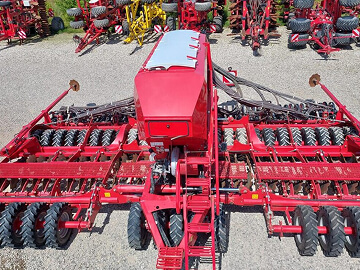
Backed by our farming expertise to ensure you get the best value and reliable performance

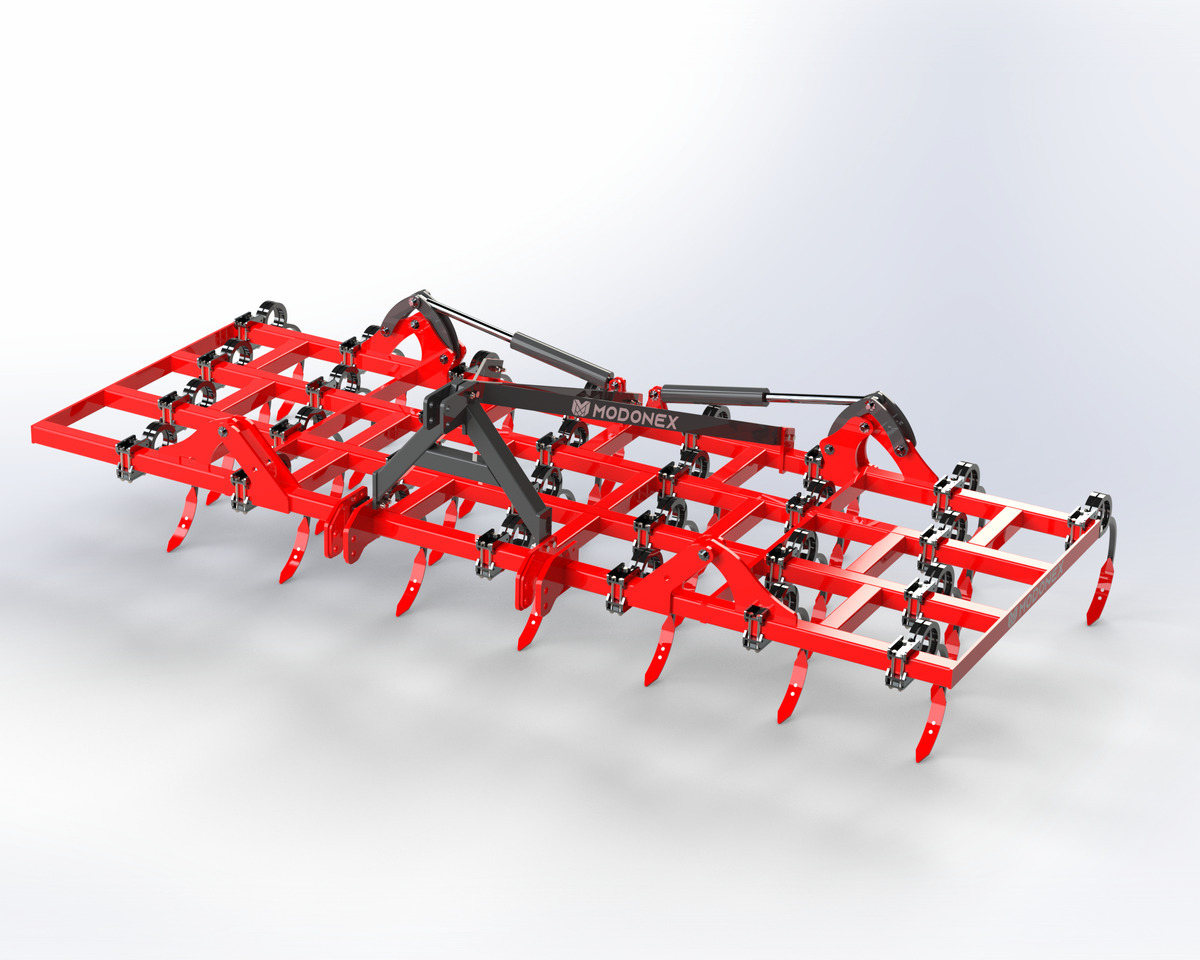
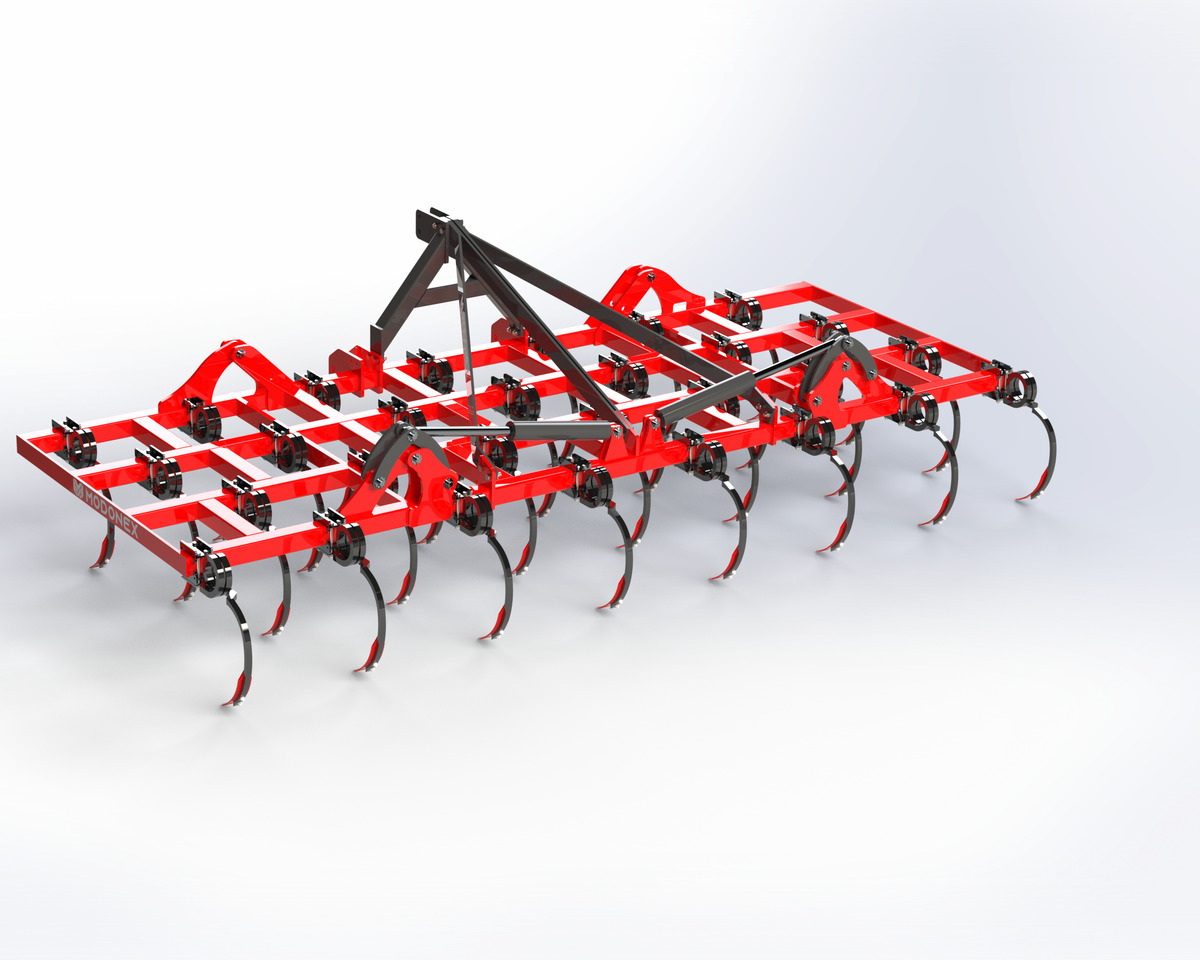
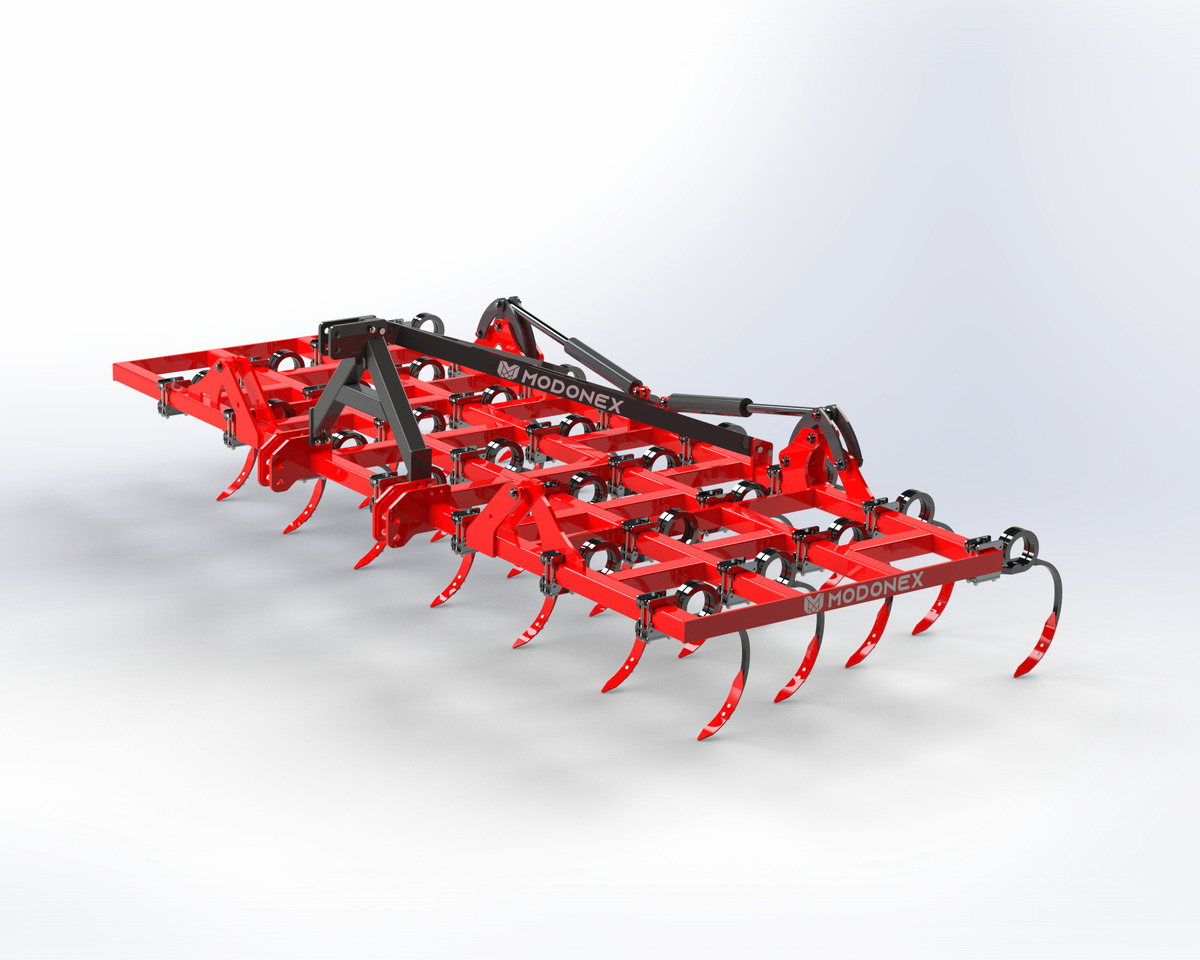

Modonex Coltiva

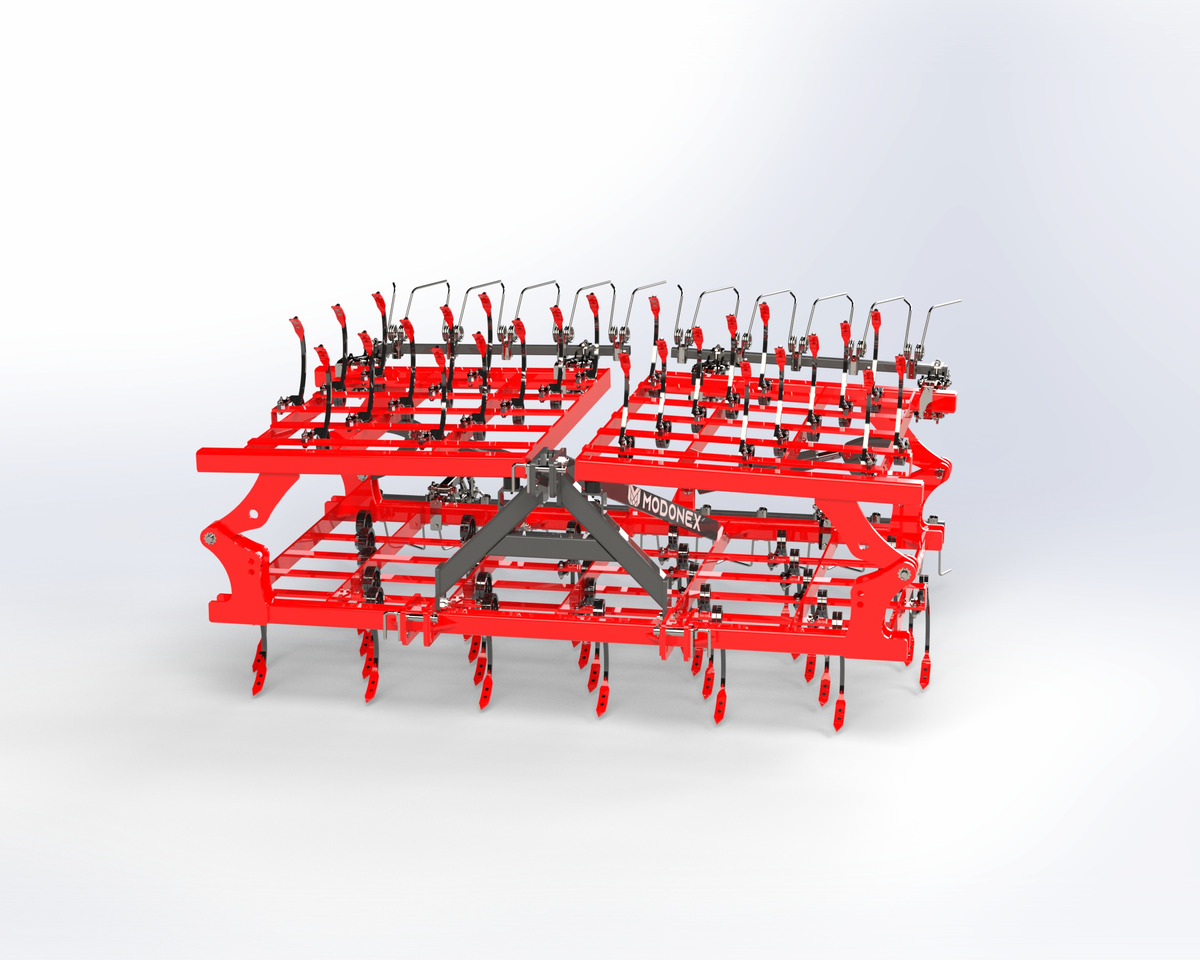
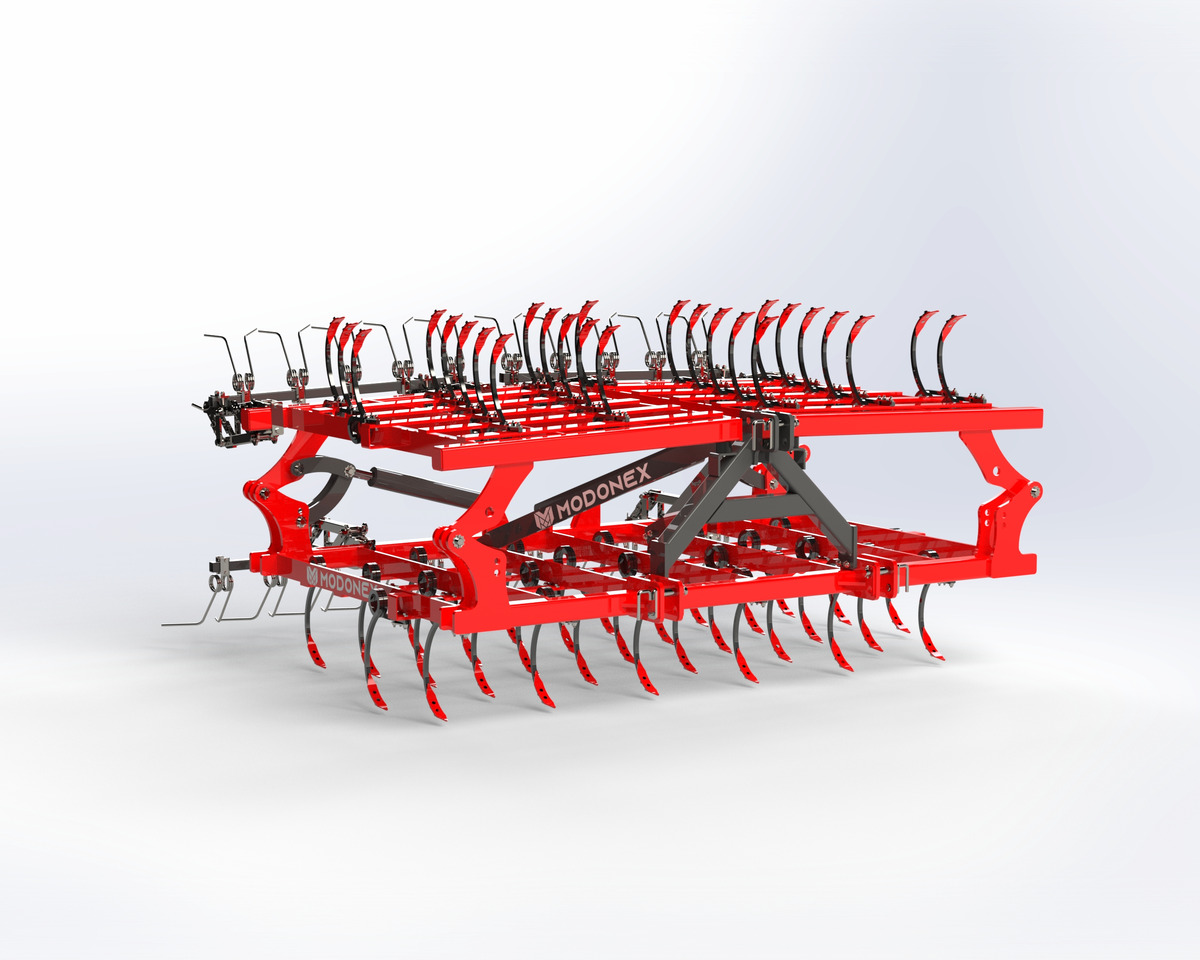
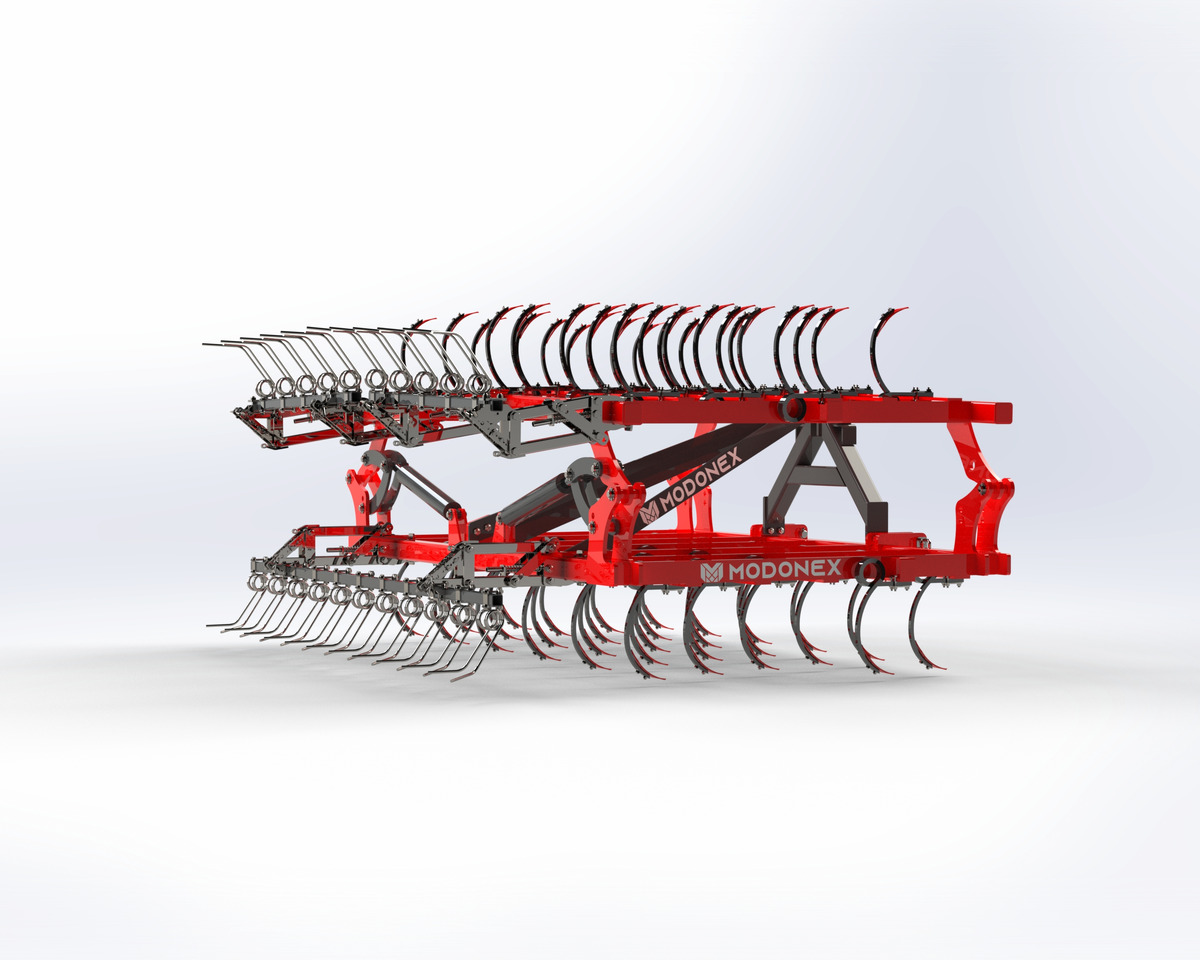

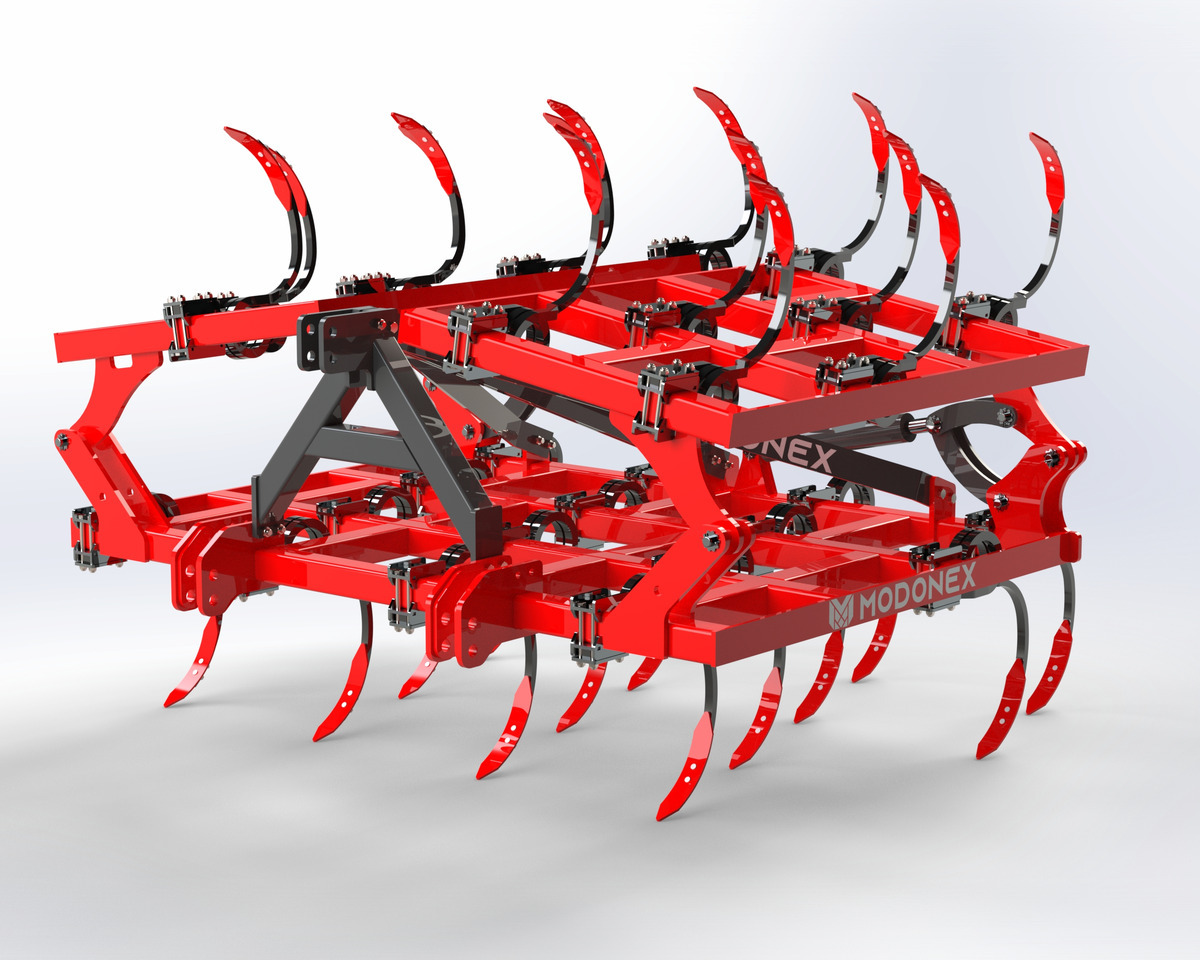
Modonex Teriva


Pöttinger Synkro 3000 S stubble cultivator
1 731GBP
Price excl. VAT
- ≈ 2 000 EUR


Köckerling Allrounder Flateline 600
66 222GBP
Price excl. VAT
- ≈ 76 500 EUR
4 million buyers per month search for vehicles and machinery on Truck1.

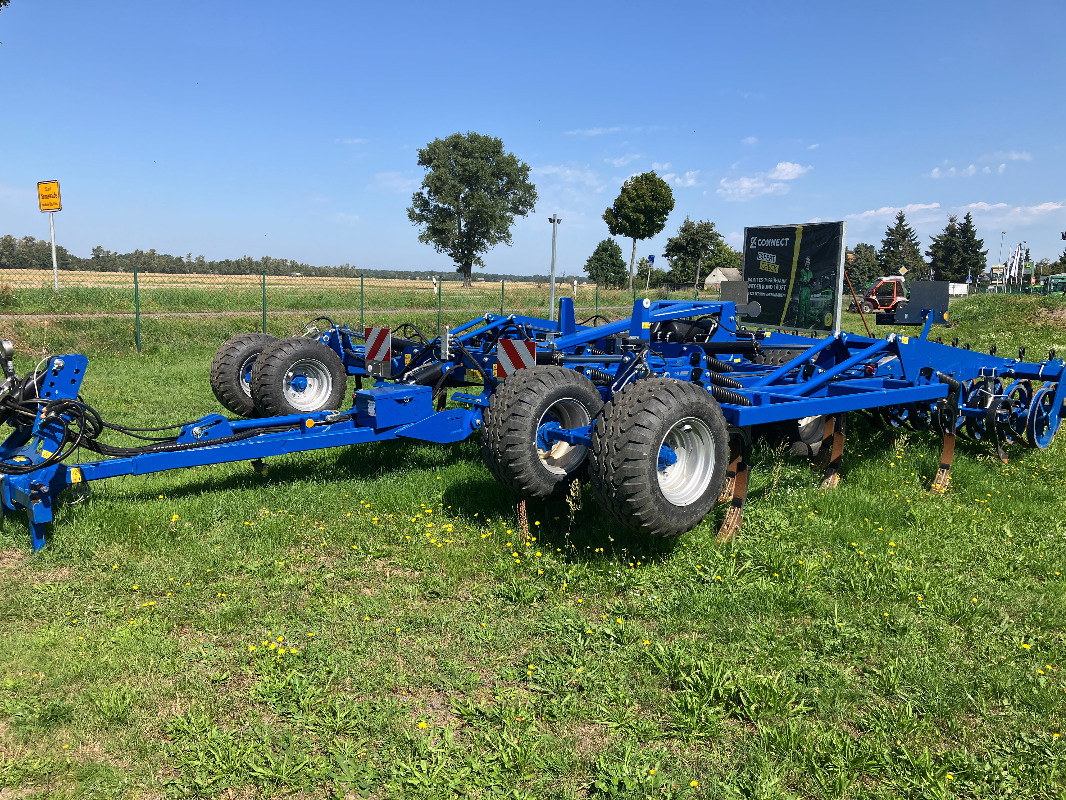
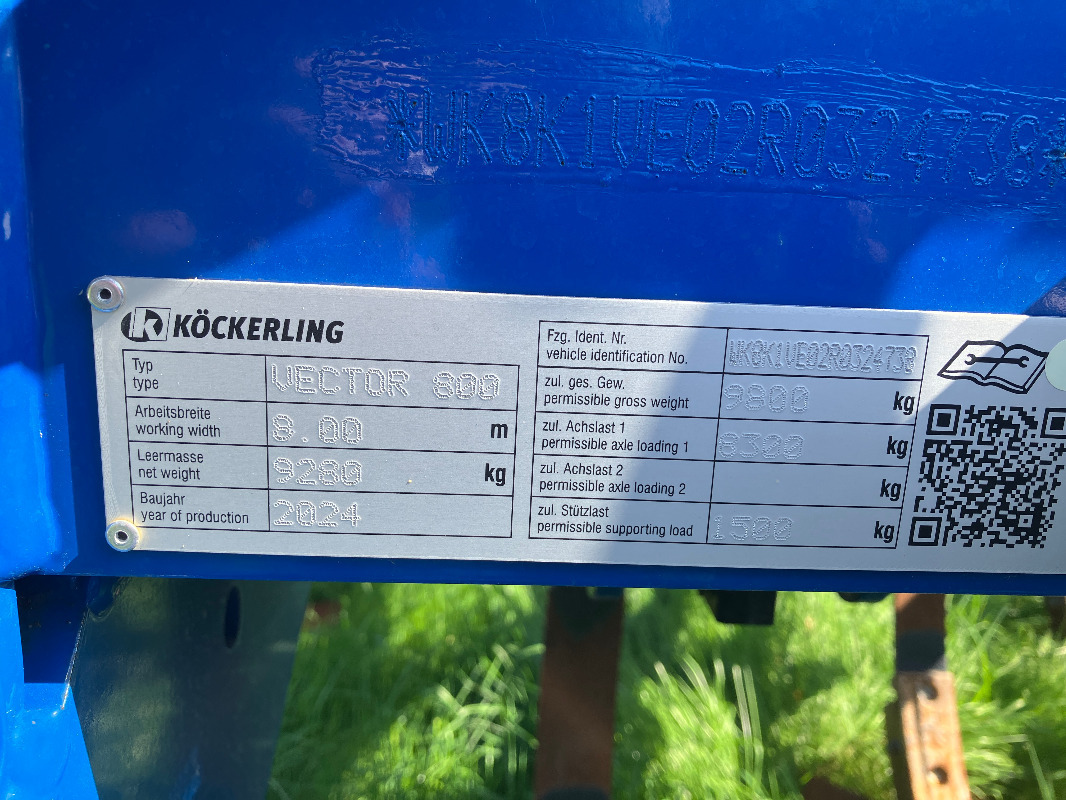
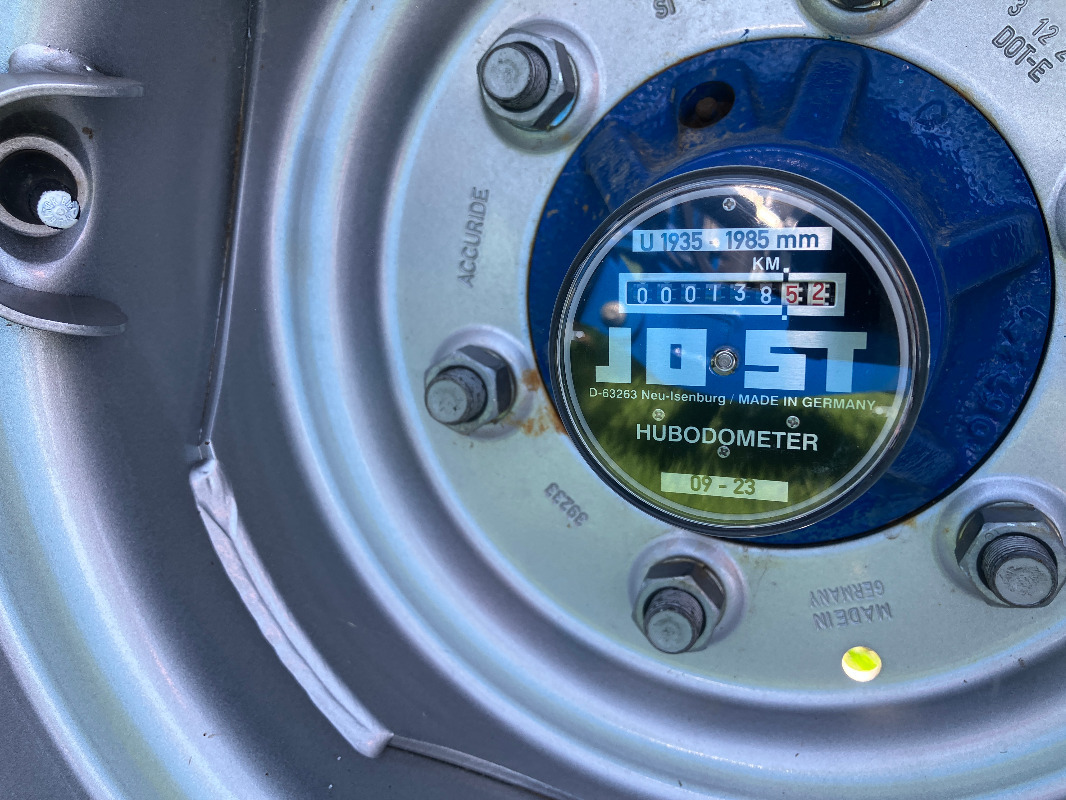


Köckerling Vector 800
80 505GBP
Price excl. VAT
- ≈ 93 000 EUR


Köckerling Vector 800 C
80 505GBP
Price excl. VAT
- ≈ 93 000 EUR


Kverneland enduro 4000f
16 952GBP
- ≈ 19 583 EUR


Pöttinger synkro 5020 k nova
17 171GBP
- ≈ 19 836 EUR


Saphir allstar longline 601
17 226GBP
- ≈ 19 900 EUR


Kuhn cultimer l300 ns
16 880GBP
- ≈ 19 500 EUR


Ziegler fieldprofi 4002
16 880GBP
- ≈ 19 500 EUR

Pöttinger terria 5040
48 389GBP
- ≈ 55 900 EUR


Kongskilde vibro master 3055 vtm
17 197GBP
- ≈ 19 867 EUR


Kverneland enduro pro 3000
16 944GBP
- ≈ 19 574 EUR


Kverneland enduro 4000
17 139GBP
- ≈ 19 800 EUR


Horsch finer 6sl
19 823GBP
- ≈ 22 900 EUR
Discover Quality Cultivators for Sale in the UK
Looking for reliable cultivators to boost your agricultural productivity? Whether you need new or used cultivators for sale, Truck1 United Kingdom offers a comprehensive selection to meet your needs. Explore our listings to find cultivators at competitive prices and enhance your farming operations.
Classifications and Variants of Cultivators
Cultivators are essential tools in modern agriculture, designed to aerate the soil and prepare it for planting. They come in various classifications and configurations, each suited to specific farming tasks. Here are some common variants:
- Spring tine cultivators
- Rigid tine cultivators
- Disc cultivators
- Power harrows
Each type offers unique advantages, ensuring that you can find the right tool for your soil conditions and crop requirements.
Key Equipment and Features
When selecting a cultivator, consider the following key features and equipment options:
- Adjustable tines for varied soil depths
- Hydraulic systems for ease of operation
- Robust construction for durability
- Compatibility with different tractor models
These features ensure efficiency and longevity, helping you get the most out of your investment.
Popular Models and Brands
The UK market offers a range of popular cultivator models from renowned brands. Some of the most sought-after manufacturers include:
- John Deere
- Kuhn
- Väderstad
- Amazone
These brands are known for their innovation and reliability, making them a top choice for farmers across the UK.
Operating Regulations
Operating cultivators in the UK requires adherence to specific regulations to ensure safety and compliance. Key considerations include:
- Regular maintenance checks
- Compliance with local environmental standards
- Proper training for operators
Staying informed about these regulations helps maintain safe and efficient farming practices.
What is the meaning of cultivators?
A cultivator is a farming tool designed to stir and pulverize the soil, either before planting (to aerate the soil and prepare a smooth, loose seedbed) or after the crop has begun growing (to kill weeds and aerate the soil around the plants). Cultivators are used for secondary tillage and are an essential part of modern agricultural practices.
What is the difference between a tiller and a cultivator?
The primary difference between a tiller and a cultivator is their intended use and the level of soil preparation they provide. A tiller is typically used for breaking up hard, compacted soil to prepare a new garden bed, turning over the soil to a greater depth. It is more powerful and can handle tough soils. A cultivator, on the other hand, is used for lighter tasks such as mixing loose soil and weeding between rows of plants. It is less powerful than a tiller and is ideal for maintaining already established gardens.
What is the major use of a cultivator?
The major use of a cultivator is to control weeds and aerate the soil around your plants. By stirring the soil, cultivators help to break up the surface crust, allowing water and nutrients to penetrate the ground more easily. This helps to promote healthy plant growth. Cultivators are also used to incorporate compost and fertilisers into the soil, ensuring that nutrients are evenly distributed throughout the garden.