
Hay and forage equipment


Vicon Extra 832T
3 396GBP
Price excl. VAT
- ≈ 3 900 EUR
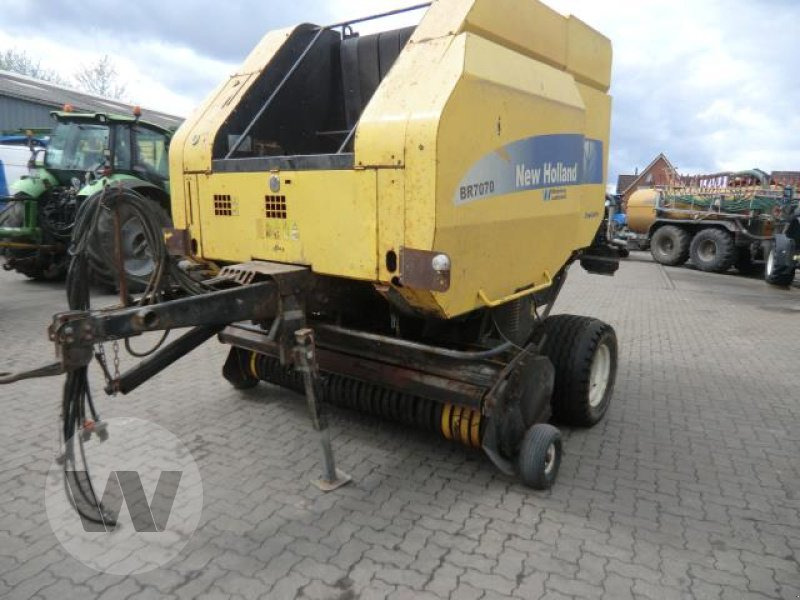


New Holland BR 7070 CC
6 532GBP
Price excl. VAT
- ≈ 7 500 EUR


1996 Serigstad MK 1340 Forage harvester
1 480GBP
- ≈ 1 700 EUR


Carraro Mondial Super 2 Round baler
2 700GBP
- ≈ 3 100 EUR


Fransgård FKR-150
5 051GBP
- ≈ 5 800 EUR

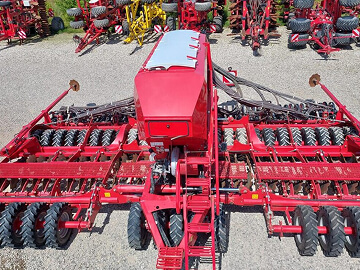
Backed by our farming expertise to ensure you get the best value and reliable performance


1995 Serigstad FS 134 Type 35 forage harvester
2 700GBP
- ≈ 3 100 EUR

Fliegl ZBW 120 B
14 275GBP
Price excl. VAT
- ≈ 16 390 EUR


Case-IH rb 344
16 461GBP
- ≈ 18 900 EUR


Fella juras 7850 pro
16 330GBP
- ≈ 18 750 EUR
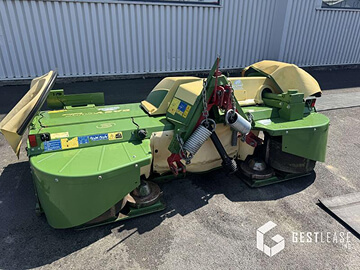
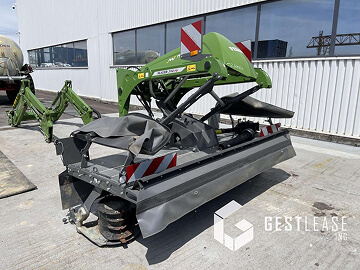
Reliable mowing, tedding, and baling solutions proven in the field


CLAAS disco 3200 fc profil
16 026GBP
- ≈ 18 400 EUR


New Holland bb 950a / bb950a
16 028GBP
- ≈ 18 403 EUR


Kuhn gmd 8730-ff mähkombination
15 895GBP
- ≈ 18 250 EUR


Kuhn gmd 8730 ff
16 113GBP
- ≈ 18 500 EUR
4 million buyers per month search for vehicles and machinery on Truck1.


Krone comprima f 155 xc
16 113GBP
- ≈ 18 500 EUR

CLAAS QUADRANT 5300
87 329GBP
- ≈ 100 266 EUR


Krone easycut-tc-320cv
16 113GBP
- ≈ 18 500 EUR


Krone swadro ts 680
16 077GBP
- ≈ 18 459 EUR
CLAAS LINER 2800
16 861GBP
- ≈ 19 359 EUR


Fella juras 7850 pro
16 330GBP
- ≈ 18 750 EUR


CLAAS disco 3200 fc profil
16 026GBP
- ≈ 18 400 EUR


Fendt former 7850
16 108GBP
- ≈ 18 495 EUR
Discover Top-Quality Hay and Forage Equipment in the UK
Welcome to Truck1.co.uk, your ultimate destination for finding hay and forage equipment in the UK. Whether you are looking for second-hand options or brand-new machines, our extensive listings cater to all your agricultural needs. Explore a wide range of hay and forage equipment for sale and discover competitive prices from trusted dealers across the UK.
Classifications and Variants
Hay and forage equipment encompasses a variety of machinery essential for efficient farm operations. Common classifications include:
- Mowers
- Balers
- Rakes
- Tedders
- Forage Harvesters
Each type of equipment serves a specific purpose, ensuring effective harvesting and processing of hay and forage crops.
Key Equipment and Features
When selecting hay and forage equipment, consider the following features to ensure optimal performance:
- Durability and build quality
- Efficiency in operation
- Ease of maintenance
- Compatibility with existing farm machinery
These features are critical in maximizing productivity and ensuring a smooth farming operation.
Popular Models and Brands
In the UK, several brands are renowned for their reliability and performance in hay and forage equipment. Popular choices include:
- John Deere
- Claas
These manufacturers offer a range of models designed to meet the diverse needs of UK farmers, whether you are buying new or used equipment.
Operating Regulations
Operating hay and forage equipment in the UK requires adherence to specific safety and regulatory standards. Ensure your machinery is compliant with:
- Health and Safety Executive (HSE) guidelines
- UK Road Traffic regulations for transport
- Environmental standards for emissions
Compliance not only ensures the safety of operations but also enhances equipment longevity and efficiency.
What essential equipment is needed for haymaking on a farm?
To efficiently carry out haymaking on a farm, you will need several key pieces of equipment:
1. **Mower**: This is used to cut the grass or other forage crops. Types include sickle bar mowers, rotary disc mowers, and drum mowers.
2. **Tedder**: A tedder is used to spread and fluff up the hay to speed up the drying process by allowing air to circulate through the crop.
3. **Rake**: Once the hay is sufficiently dry, a rake gathers it into windrows for baling. Options include wheel rakes, rotary rakes, and parallel bar rakes.
4. **Baler**: Balers come in different forms such as square and round balers and are used to compress hay into manageable bales for storage and transport.
5. **Trailer or Wagon**: Once baled, hay needs to be transported for storage. A trailer or wagon aids in the efficient collection and movement of bales.
6. **Storage Facilities**: Proper storage, like a barn or a covered area, is essential to protect hay from weather and maintain its quality.
These tools and equipment help in efficiently harvesting, drying, and storing hay, ensuring it retains nutritional quality for livestock feed.
How do you choose the right baler for hay or silage?
Choosing the right baler for hay or silage depends on several factors:
1. **Type of Bales**: Decide between round or square bales based on your storage capabilities and handling equipment. Round bales are typically easier to store outdoors, while square bales stack neatly for indoor storage.
2. **Bale Size and Density**: Consider the size and density of the bales you need. Higher density bales are more compact, saving storage space and potentially reducing transport costs.
3. **Crop Type**: Different balers work better with certain crops. Ensure the baler you choose is designed for the type of crop you will be baling, whether it’s hay, silage, or straw.
4. **Field Conditions**: Assess your field conditions. If your fields are uneven or have steep hills, choose a baler that can handle such terrain without tipping over.
5. **Capacity and Speed**: Depending on the size of your operation, you may need a baler with a higher capacity and faster baling speed to match your productivity needs.
6. **Budget and Maintenance**: Consider your budget not only for the initial purchase but also for ongoing maintenance and repairs. Some balers are more expensive upfront but may have lower operating costs.
7. **Ease of Use**: Ensure the baler is user-friendly and that you or your staff are comfortable with its operation.
By evaluating these factors, you can select a baler that meets your farm's needs and optimises your haymaking or silage production process.